← Back to Blog
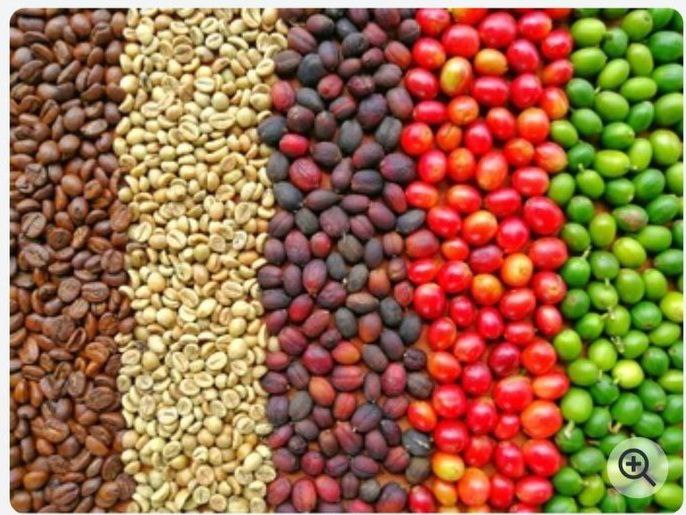
How Ethiopian Coffee Is Processed: Washed vs Natural vs Honey
January 26, 2026 by Admin
Coffee processing plays a major role in flavor, aroma, and cup quality. In Ethiopia, three main processing methods are used: washed, natural, and honey.
Understanding these methods helps US roasters and international buyers choose the right Ethiopian coffee for their market.
Washed (Wet-Processed) Ethiopian Coffee
How It’s Processed:
Coffee cherries are pulped, fermented, washed, and dried.
Flavor Profile:
Clean
Bright acidity
Floral and citrus notes
Best For:
Specialty roasters
Light to medium roasts
Consistent cup profiles
Common regions: Yirgacheffe, Sidama
Natural (Dry-Processed) Ethiopian Coffee
How It’s Processed:
Whole coffee cherries are sun-dried before hulling.
Flavor Profile:
Fruity
Sweet
Bold body
Best For:
Natural coffee lovers
Experimental roasters
Espresso blends
Common regions: Guji, Harrar
Honey-Processed Ethiopian Coffee
How It’s Processed:
The skin is removed, but some mucilage is left during drying.
Flavor Profile:
Balanced sweetness
Smooth body
Moderate acidity
Best For:
Specialty microlots
Roasters seeking balance
Honey processing is limited but growing in Ethiopia.
Quick Comparison Table
Processing Method Flavor Best For
Washed Clean & bright Specialty roasters
Natural Fruity & bold Espresso & blends
Honey Sweet & balanced Specialty microlots
Which Processing Method Should US Buyers Choose?
For clean, premium cups: Washed
For bold, fruit-forward profiles: Natural
For balanced sweetness: Honey
Choosing the right processing method helps roasters match customer preferences.
Source Ethiopian Coffee by Processing Method from Lilit Coffee
Lilit Coffee (Haromina Coffee Trading PLC) supplies:
Washed, natural, and honey Ethiopian coffee
Specialty & bulk quantities
Export-ready documentation
Reliable shipping to the USA
📩 Contact Lilit Coffee to request samples or pricing.
Understanding these methods helps US roasters and international buyers choose the right Ethiopian coffee for their market.
Washed (Wet-Processed) Ethiopian Coffee
How It’s Processed:
Coffee cherries are pulped, fermented, washed, and dried.
Flavor Profile:
Clean
Bright acidity
Floral and citrus notes
Best For:
Specialty roasters
Light to medium roasts
Consistent cup profiles
Common regions: Yirgacheffe, Sidama
Natural (Dry-Processed) Ethiopian Coffee
How It’s Processed:
Whole coffee cherries are sun-dried before hulling.
Flavor Profile:
Fruity
Sweet
Bold body
Best For:
Natural coffee lovers
Experimental roasters
Espresso blends
Common regions: Guji, Harrar
Honey-Processed Ethiopian Coffee
How It’s Processed:
The skin is removed, but some mucilage is left during drying.
Flavor Profile:
Balanced sweetness
Smooth body
Moderate acidity
Best For:
Specialty microlots
Roasters seeking balance
Honey processing is limited but growing in Ethiopia.
Quick Comparison Table
Processing Method Flavor Best For
Washed Clean & bright Specialty roasters
Natural Fruity & bold Espresso & blends
Honey Sweet & balanced Specialty microlots
Which Processing Method Should US Buyers Choose?
For clean, premium cups: Washed
For bold, fruit-forward profiles: Natural
For balanced sweetness: Honey
Choosing the right processing method helps roasters match customer preferences.
Source Ethiopian Coffee by Processing Method from Lilit Coffee
Lilit Coffee (Haromina Coffee Trading PLC) supplies:
Washed, natural, and honey Ethiopian coffee
Specialty & bulk quantities
Export-ready documentation
Reliable shipping to the USA
📩 Contact Lilit Coffee to request samples or pricing.
Comments
No comments yet. Be the first to comment!